

Six months after our “Gathering for water and Nature” organised in Stratford-on-Avon District, we are happy to see its ripples flowing in South Warwickshire.
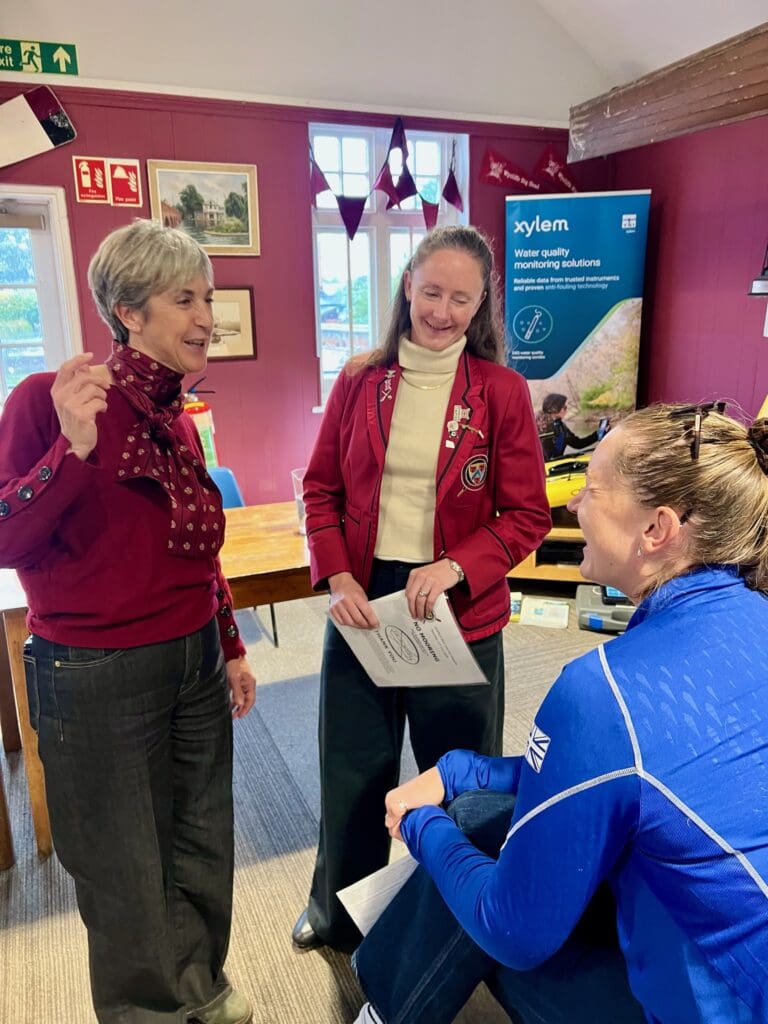
On Saturday 24 October, more than 40 representatives from local and regional organisations gathered at Stratford-upon-Avon Boat Club (SuABC) to explore how science, technology and community action can help improve river health in the upper River Avon catchment in South Warwickshire and share ideas about how to better understand the pressures facing the river. This event was coordinated by Claudine Pearson, who as Trustee of the community group Rubbish Friends was a key partner for The Gathering and pivotal to its organisation and success.
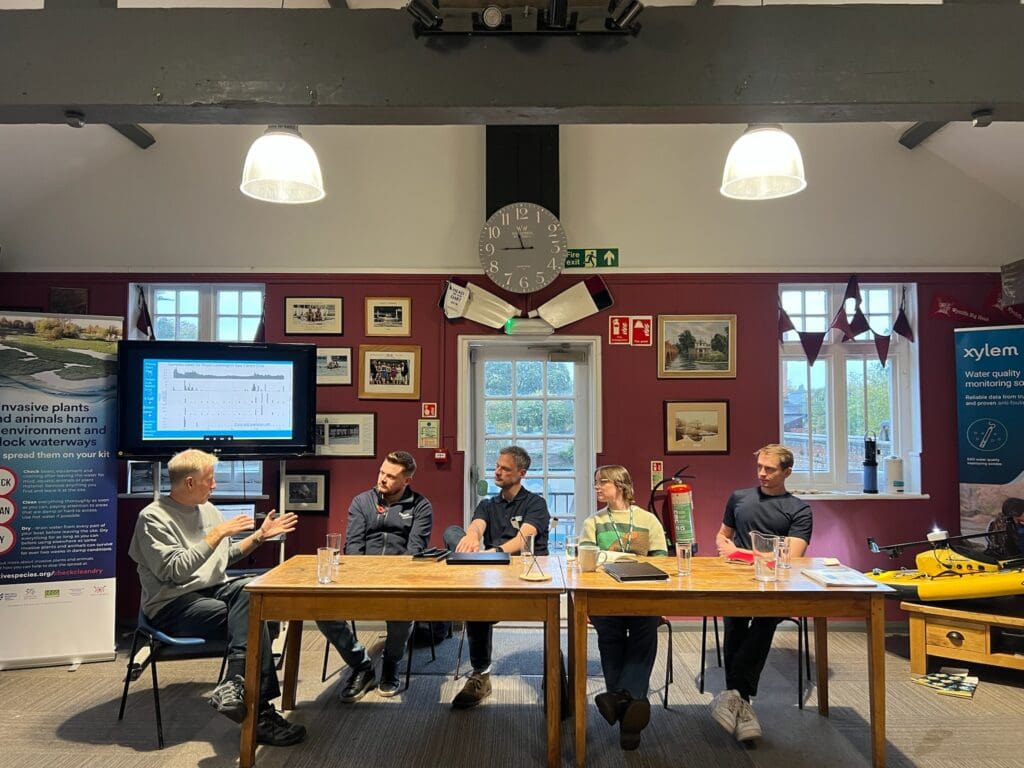
This SuABC event – called Warwickshire Avon River Health Forum – brought together speakers with expertise in freshwater ecology, water-quality data, monitoring technology and community-led river protection. The speakers, and resultant audience discussions, considered a series of questions:
How have rivers changed?
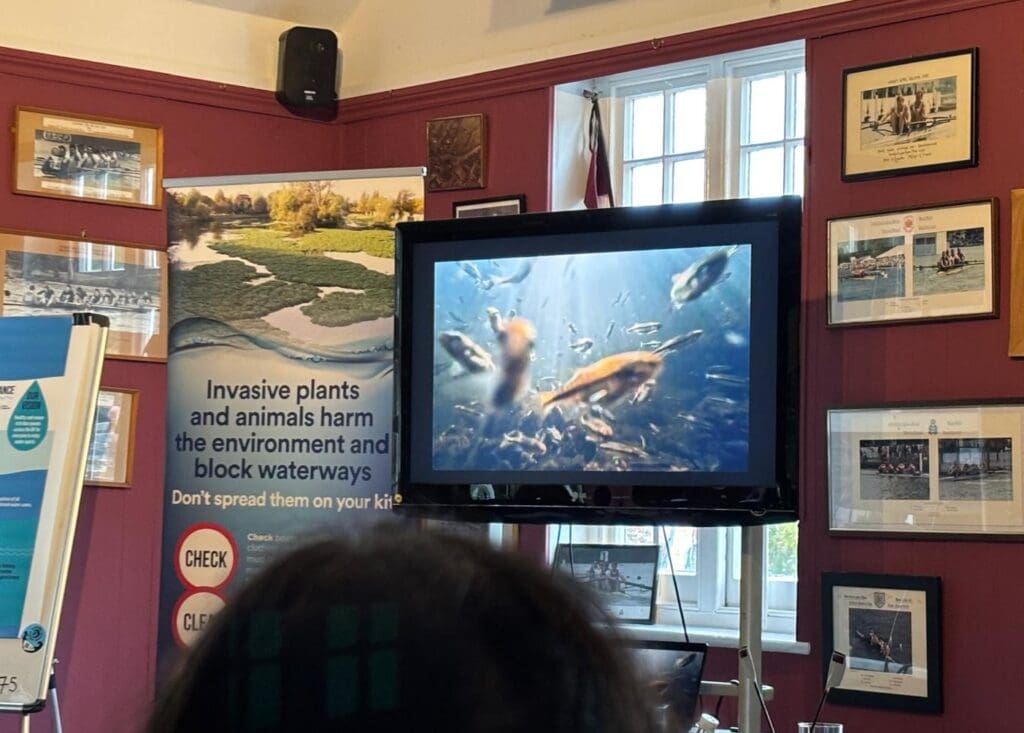
Underwater filmmaker Mark Barrow of Beneath British Waters has been filming freshwater fish in the British Isles for more than 30 years. Highlighting that a river’s surface can conceal what lies beneath, Mark’s films tell stories of significant ecological changes and depleted fish populations. Understanding changes in fish and invertebrate populations and their habitats reinforces the need for regular and long-term holistic ecological monitoring alongside water-quality testing. Mark’s newest film Beneath the Oars explores the hidden underwater world of the River Thames at Henley-on-Thames. It was premiered at Future for Water’s UK River Summit in September.
How polluted is the upper Warwickshire Avon?
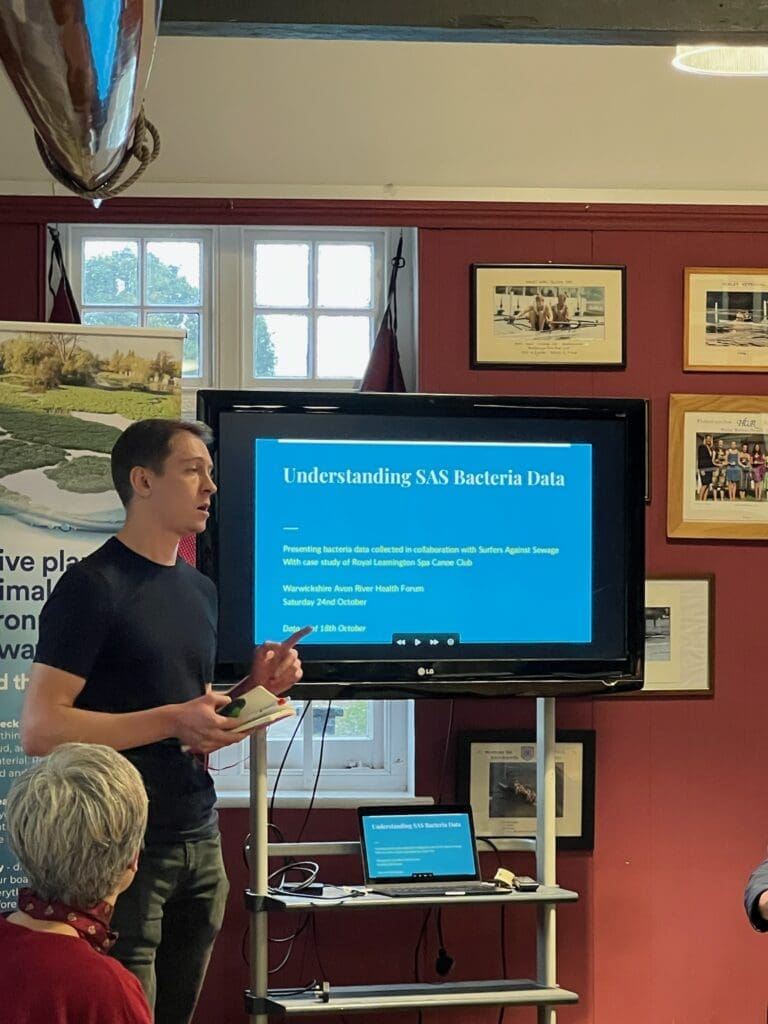
Sports data scientist and SafeAvon volunteer Freddie Wilson presented the results of bacteria tests collected over the last 18 months at the Old Bathing Place in Stratford-Upon-Avon. Water samples were analysed under a Surfers Against Sewage national project. Freddie also presented a case study from nearby Royal Leamington Spa Canoe Club which shows how consistent testing and analysis can help identify patterns of concern, such as E. coli spikes, and provide clues to possible sources. Freddie is working on an up-to-date situation analysis of SafeAvon water pollution data to be published shortly on this website – so please come back here soon!
How is Severn Trent Water responding?
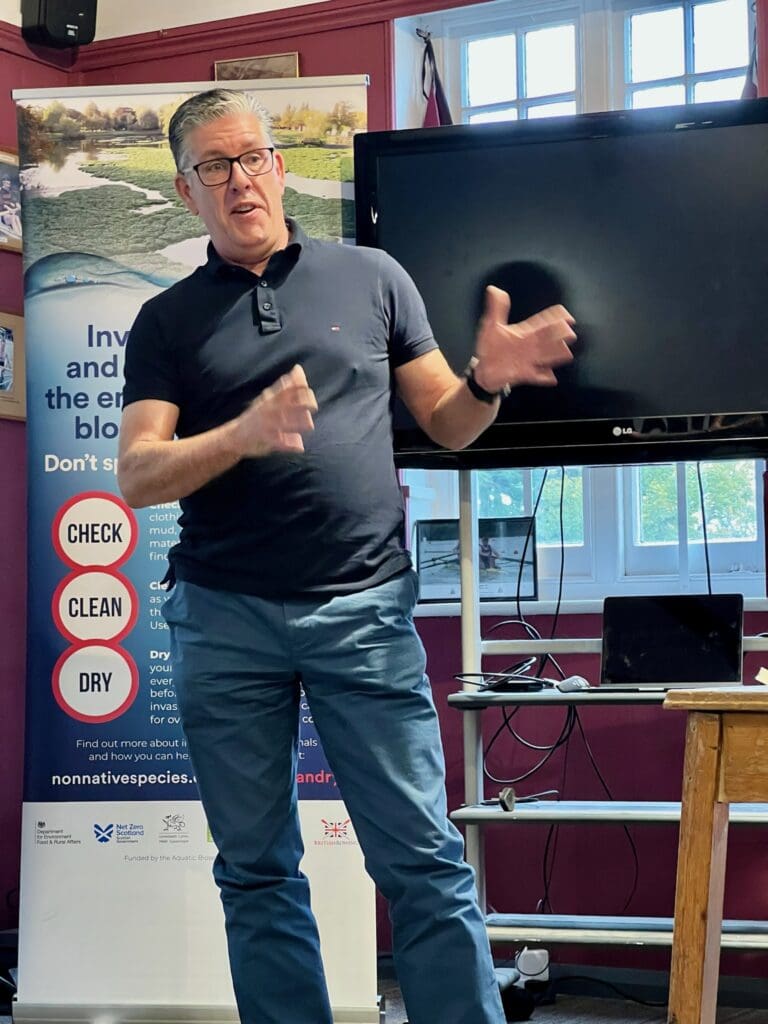
Colin Maltby, River Insight and Improvement Manager at Severn Trent Water, shared his expertise on river improvement and water-quality information as well as reported on Severn Trent’s investment in preventing, tackling and ameliorating different types of pollution. The discussion included Section 82 of the Environment Act 2021 and the rollout of continuous water-quality monitoring.!
How can technology help?
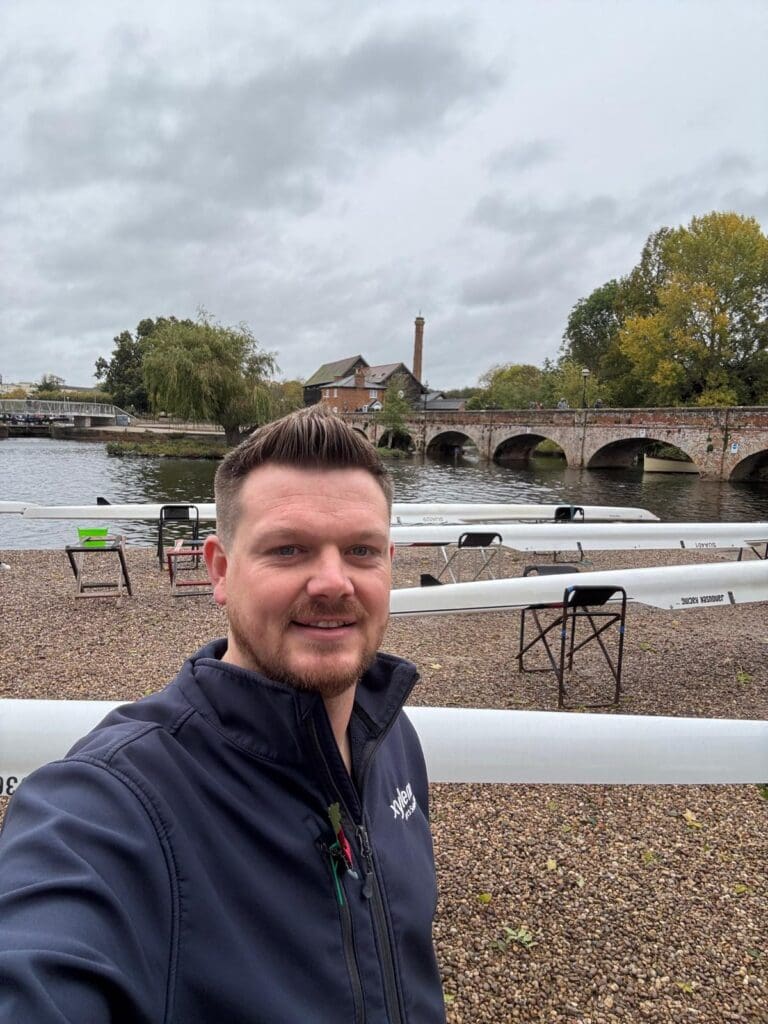
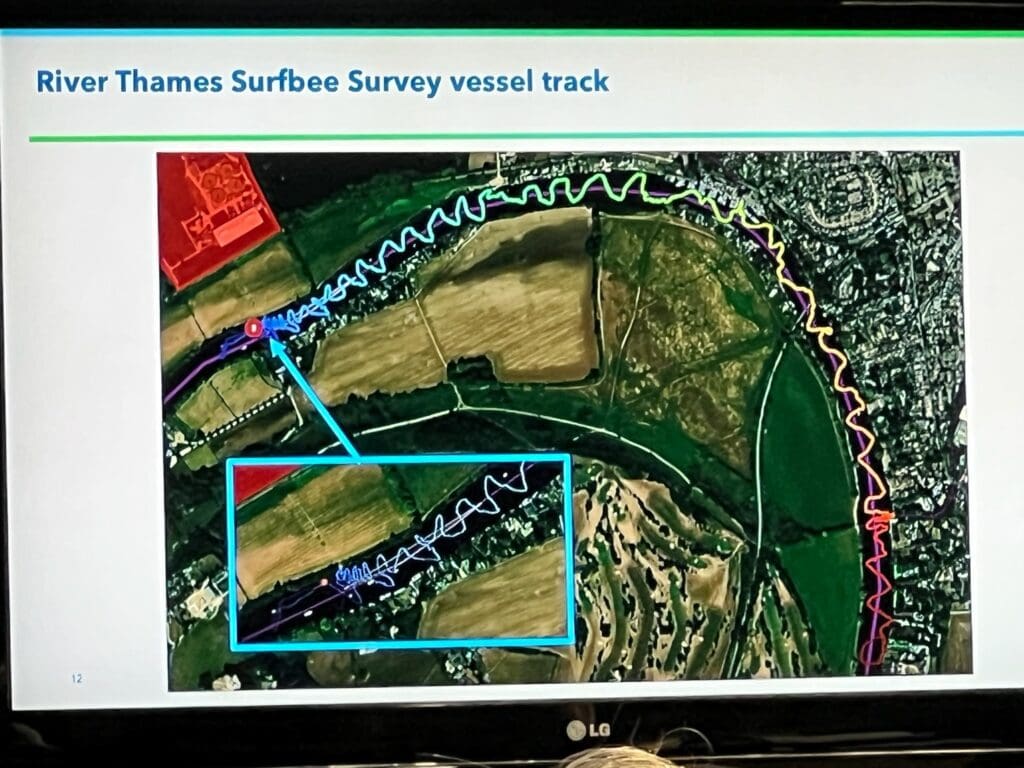
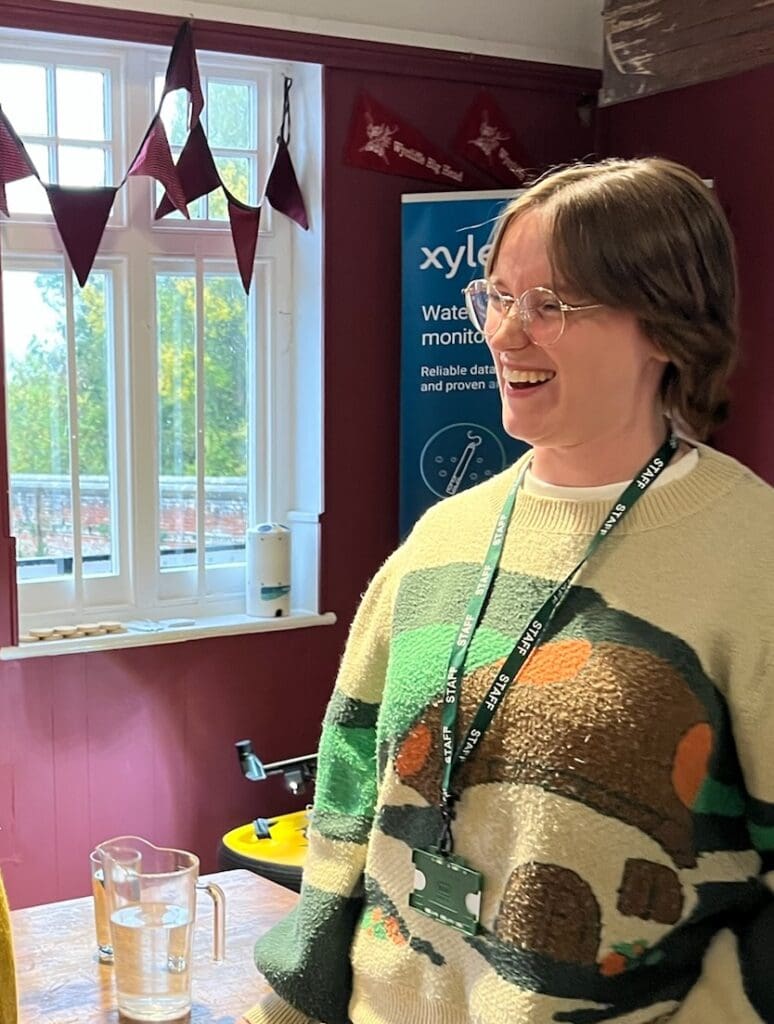
James Chapman, UK Business Development Manager – Environmental Solutions at Xylem Water Solutions UK Ltd, demonstrated how technology can provide a more detailed picture of river health, including the use of Surfbee, a remotely controlled uncrewed surface vehicle that can map water quality and investigate changes along a river. He described how a Thames project uses its measurements along a river to reveal variations associated with treated effluent, tributaries and surrounding land use.
What can local citizens do?
Caroline Roper, from the Rugby and Birmingham River Champions programme, implemented by the University of Birmingham, explained how trained and equipped volunteers can gather consistent river-monitoring data to support discussions with the Environment Agency and other stakeholders. This programme demonstrates how community science can contribute to a coordinated, whole-system approach to river health, helping identify problems and inform action.
How do we value water?
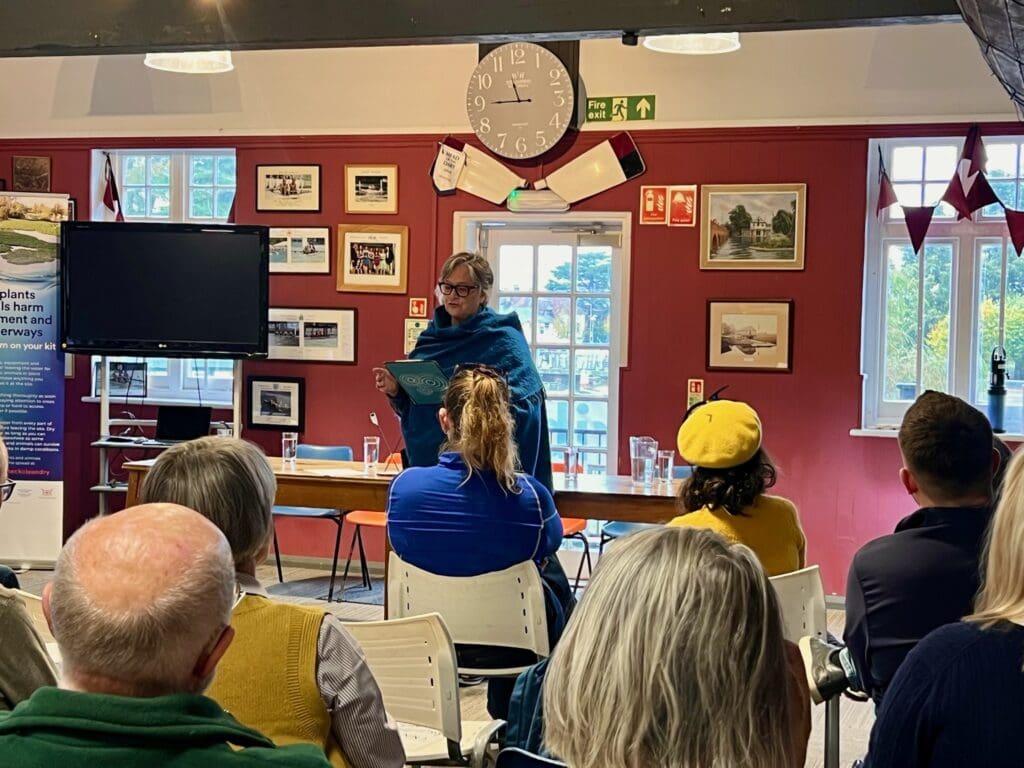
Mary Manandhar, convenor of River Hope and The Gathering: for Water and Nature and a SafeAvon citizen scientist, drew on her experience in public health and holistic ecology. Her prose poem “Voice of Water” highlighted that a river is just a passing part of the different states of water in the global water cycle and asked us to consider how we really value our relationships with water, land, air and Nature that sustain all life. She highlighted the importance of bringing communities and organisations together to support more coordinated, catchment-wide practical action to protect local waterbodies and wildlife, as well as find ways of engaging people through heart-led as well as head-led activities. She also referred to the growing momentum behind the river rights and river charters movement in the UK, and globally.
What next?
In closing, Eric Appleton, Chairman of SuABC, said that:
” The message from this Forum is clear: we need better evidence, closer collaboration and organisations willing to turn knowledge into action. For its part, SuABC will step up the pace, but one club cannot do this alone. So, we hope that others will step forward too. We call on local partners to work together, share data and turn evidence into action. We want a healthier Avon for wildlife and for everyone who values the river.”
SuABC next steps will include:
- continue water-quality testing, alongside SafeAvon and others, supported by a Thriving Waters grant from British Rowing, to build a stronger evidence base on river conditions and share relevant findings with the Warwickshire Catchment Area Based Partnership
- seek support from Severn Trent Water for the continuous monitoring of water-quality at the Old Bathing Place to build a clearer picture of conditions at this popular riverside location used by the local community;
- bring Surfbee back to the Avon to investigate potential pollution sources. Targeted surveys, alongside fixed river water monitoring, could help identify where further investigation is needed;
- establish a partnership with Rugby and Birmingham River Champions giving local SafeAvon volunteers the training and equipment to monitor the upper Warwickshire Avon and contribute findings to the wider network of river health data at catchment level;
- work with local decision makers, Stratford-on-Avon District Council and Manuela Perteghella MP to discuss local evidence and help ensure that emerging pollution problems, including E. Coli spikes, receive the attention and action they need;
- strengthen collaboration between river-based businesses, recreational sports and community groups and local authorities to share evidence, investigate concerns and turn findings into meaningful improvements.
The Warwickshire Avon is our shared responsibility. We must all – rowers, swimmers, paddlers, anglers, residents, environmental groups, public bodies and water companies – consider ourselves as guardians of the riverwith responsibility to value and safeguard freshwater and all the life it sustains for future generations.
For more about SuABC, river health and sustainability, contact: sustainablesuabc@gmail.com
This blog was written by Claudine Pearson (SuABC) and Mary Manandhar (River Hope) with photos from Tor Wilkes and James Chapman (Xylem)