
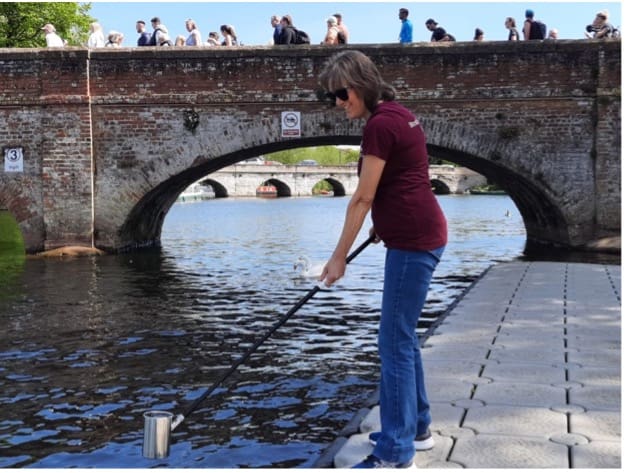
Citizen science is the public participation in scientific research, collecting data and information for scientific purposes, with methods that can be used by professional scientists and volunteers alike.
Citizen science for river stewardship is needed because water quality and pollution monitoring are either not being done at all, or not adequately or frequently enough, while river pollution is getting worse: see evidence in The Rivers Trust’s “The state of our rivers report“, 2024.
Citizen scientists in Stratford-on-Avon District are monitoring local rivers for chemical and bacterial nutrient pollution.
Since July 2023, under a Safe Avon partnership with Stratford Climate Action, around 40 citizen scientists have been taking water samples regularly from 25 locations – link here – along the upper River Avon and River Stour as well as their tributaries, brooks and canals.
Using a standard kit and protocol methodology by Cardiff University, data are uploaded onto EpiCollect5 App, and collated and share by Safe Avon’s founder, Geoff Sallis, in Tewkesbury.
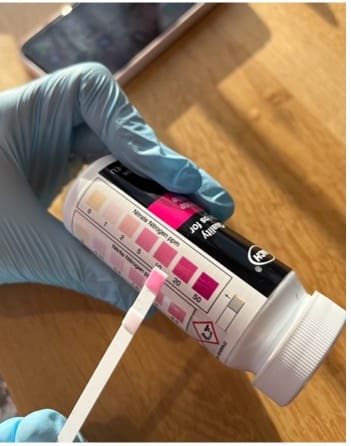
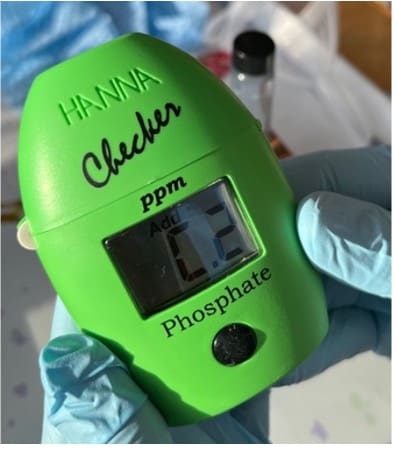
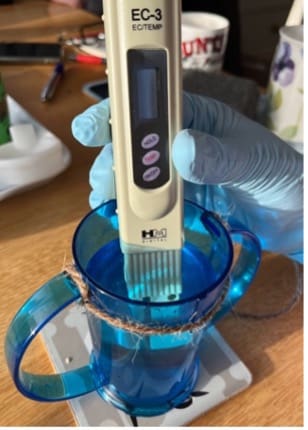
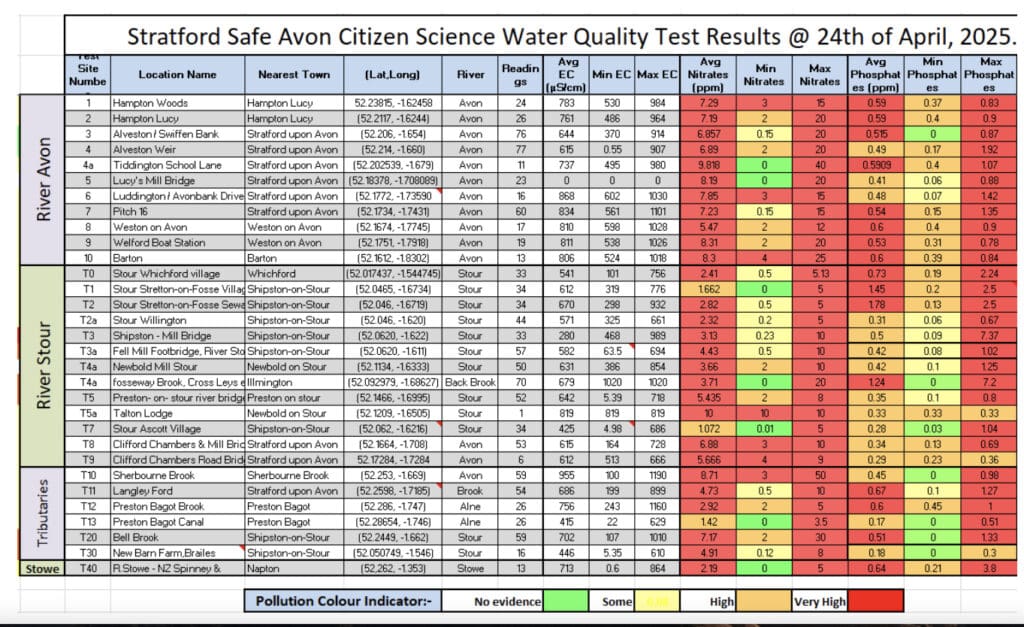
The overall situation emerging is concerning. Up until May 2025, results from all testing sites (based on over 2,500 water samples), consistently show very high, or high, average levels of nitrate and phosphate chemical pollution. Local results up to May 2025 are shown in this table:
From Severn Trent’s published data on sewage overflows as part of national water company data collated annually by The Environment Agency, the website Top of the Poops awarded the top polluting position to the Wellesbourne Sewage Treatment Works. This is just above Stratford-on-Avon’s District boundary, feeding directly into the Rivers Dene and Avon (March 2024 to March 2025).
Local information events and articles have helped raise wider awareness of this situation.
Other local citizen science groups are also actively monitoring freshwater ecological status relating to:
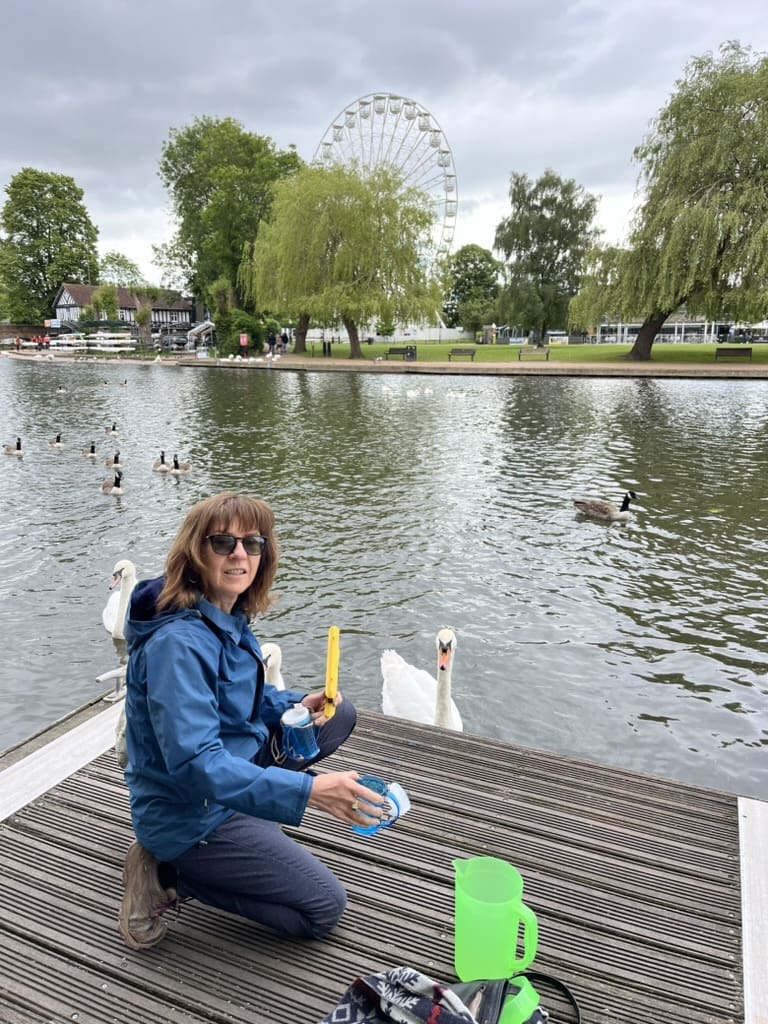
- Bacterial contamination (Enterococci, Escherichia coli) testing by Stratford Boat Club (see top photo) and Stratford Climate Action (using a kit funded by Surfers Against Sewage) at Fisherman’s Car Park in Stratford-Upon-Avon;
- Chemical pollution for EarthWatch, including a spring WaterBlitz annually;
- RiverFly Monitoring Initiative ‘kick sampling’ to identify invertebrates (mayfly, caddis fly, freshwater shrimp) present and estimate their population densities as ‘barometers’ of broader river ecological health;
- The Anglers Trust: local anglers take part in campaigns for waterways protection.
There is much to be done – but we can all do something, somewhere!
- Join a local group of citizen scientists.
- Keep informed and updated via maps and key sites (see resources below).
- Lobby your Member of Parliament – for Stratford-on-Avon constituents, this is Manuela Perteghella, email manuela.perteghella.mp@parliament.uk – and your local Councillors about the growing evidence of chemical and bacterial pollution and poor freshwater biodiversity status, and the role of citizen scientists in contributing to the evidence base. This will apply pressure at different levels to hold those responsible to account.
- Report any pollution incidents to the Environment Agency 24-hour Incident Hotline 0800 80 70 60, and Severn Trent River Ranger – locally this is luke.mccusker@severntrent.co.uk.
Key resources (data, maps, advocacy, action) related to freshwater ecological health:
- Articles on citizen science in freshwater monitoring and improving ambient water quality
- RiverAction campaigns
- The Rivers Trust: key issues; Event Discharge Monitoring (EDM) Maps
- Freshwater Habitats Trust’s useful Testing the Water leaflet
- Severn Rivers Trust information on pollution
- Watershed Investigations (independent not-for-profit journalism): UK pollution maps
- The Angling Trust raises awareness of the impact of climate change on rivers and wildlife.
Compiled by volunteers: Steve Currie (Stratford Climate Action, SafeAvon and Warwickshire Climate Alliance) and Mary Manandhar (Stratford Climate Action, SafeAvon, and convenor of River Hope)
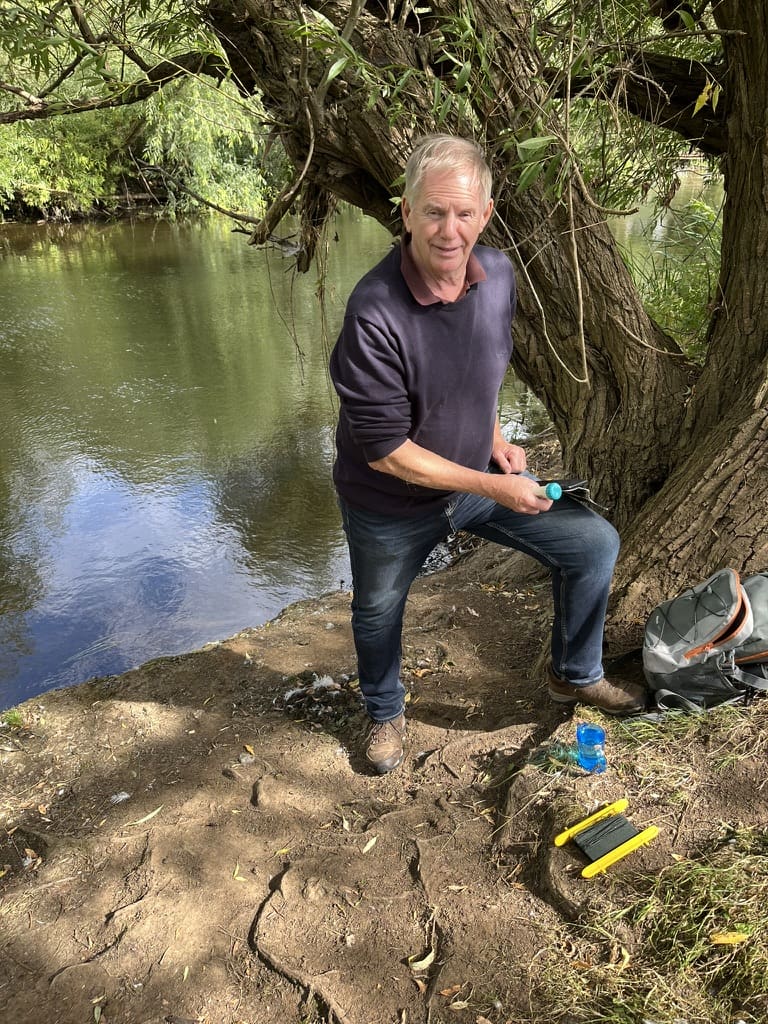
Thank you to all the citizen scientists locally who give up their time to carry out regular tests and who lobby Severn Trent about this crucial issue.
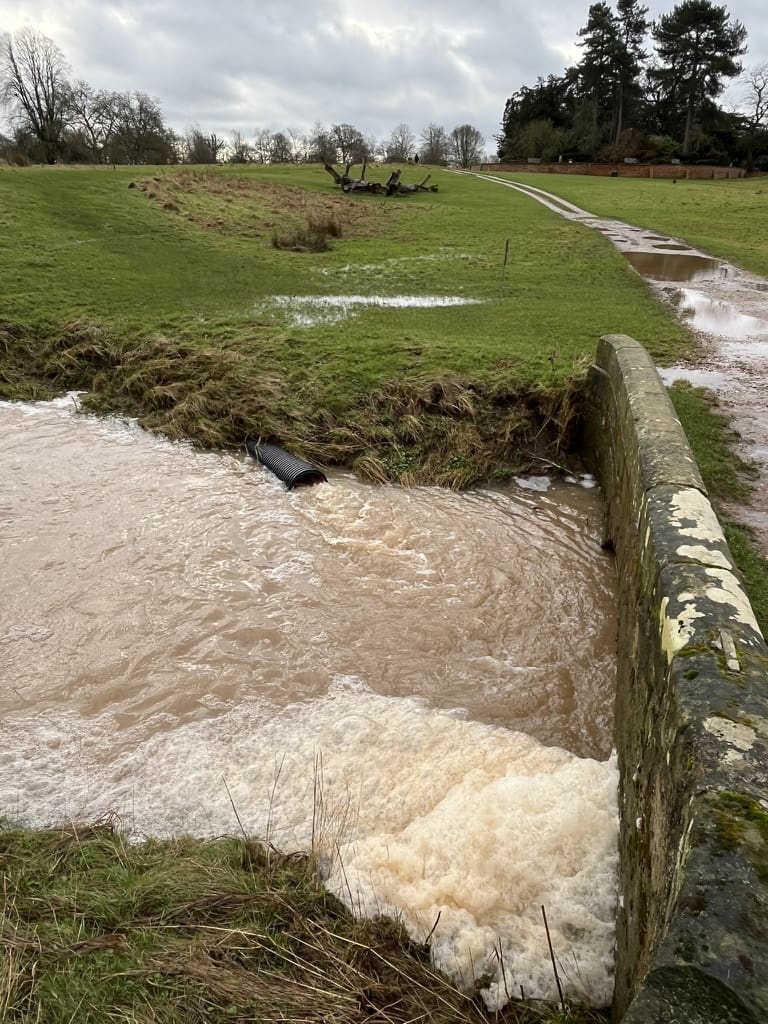
Thanks to Stratford Climate Action for the support. We will keep going! Let’s work together on the complex causes of pollution in the rivers and their ecosystems, including from water company sewage outflows as well as from pollutant run off from land use, agriculture and roads. Individual and household behaviours also need highlighting, including flushing of wet wipes that block drains and sewers requiring costly removal, and discarded rubbish that ends up in the waterways.
Whilst on holiday in Devon I noticed a 3P’s sign in the loos : I think that we could go with a big publicity campaign for ‘Only Pee, Poo and Paper in the Loo’. We could have posters in every public convenience, pubs, restaurants, village halls etc.
As you suggested Mary, maybe Severn Trent would sponsor the posters?